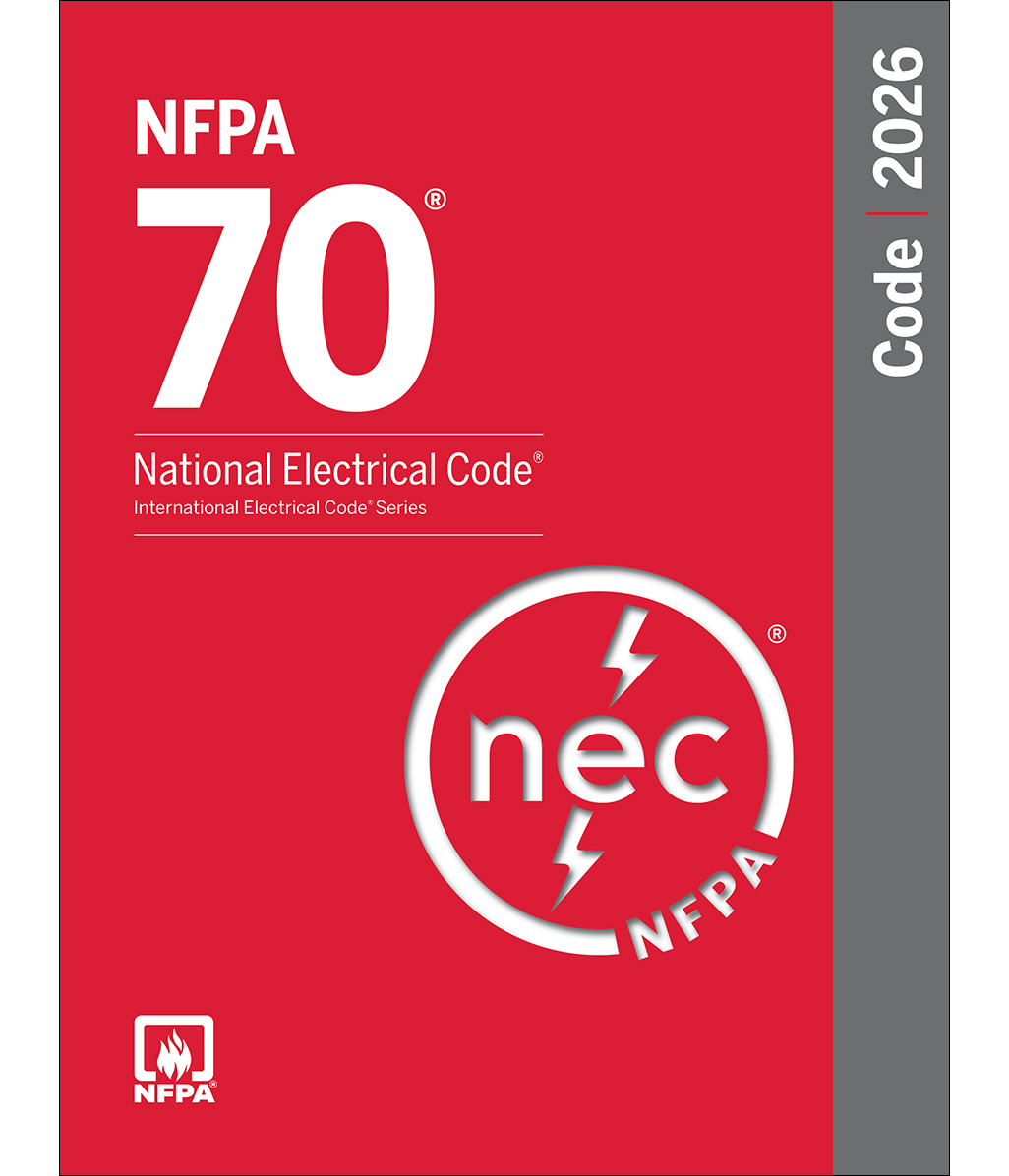
2026 NEC: Key Changes Every Electrician Needs to Know
Overview
The 2026 edition of NFPA 70, the National Electrical Code, has been officially released and adopted by a growing number of jurisdictions. This cycle brings some of the most significant changes in recent memory, driven by the rapid evolution of energy storage, electric vehicle infrastructure, and updated safety research.
Whether you are a licensed electrician, contractor, inspector, or engineer, understanding these revisions is essential to staying compliant and keeping installations safe.
Expanded GFCI Requirements (Article 210)
GFCI protection continues to expand. The 2026 NEC now requires GFCI protection for all 125-volt through 250-volt receptacles in dwelling unit kitchens, bathrooms, laundry areas, and garages. Key changes include:
- 250-volt receptacles are now covered under GFCI requirements for the first time in several locations, including kitchens where 240V appliance outlets are installed
- Outdoor receptacles at all dwelling units now require GFCI protection regardless of the ampere rating
- Crawl spaces and unfinished basements retain GFCI requirements, with clarified language around lighting outlets in these areas
- Sinks in all occupancies require GFCI protection for receptacles within 1.8 m (6 ft) of the sink edge
Energy Storage Systems (Article 706)
With residential and commercial battery storage installations growing rapidly, Article 706 has undergone a major overhaul:
- New requirements for disconnecting means accessible to first responders at the exterior of buildings
- Updated spacing and ventilation requirements for lithium-ion battery installations
- Clarified listing requirements for energy storage systems, ensuring all components are tested and approved as a system rather than individually
- New provisions for rapid shutdown of energy storage systems, similar to requirements already in place for PV systems
Electric Vehicle Charging (Article 625)
Article 625 has been significantly expanded to address the growing demand for EV charging infrastructure:
- Bidirectional EV charging (vehicle-to-grid and vehicle-to-home) is now addressed with dedicated provisions for power flow in both directions
- New requirements for load management systems that allow multiple EV chargers to share a circuit while managing demand
- Ventilation requirements have been updated for indoor charging locations, particularly for fleet charging facilities
- Simplified calculations for dwelling unit EV charging loads using new demand factors in Article 220
Arc-Fault Protection Updates (Article 210)
AFCI protection requirements have been refined:
- Commercial occupancies now require AFCI protection in guest rooms, dormitory rooms, and patient sleeping areas
- Clarified exemptions for certain fire alarm and security circuits that previously caused nuisance tripping
- Updated language to clarify that AFCI protection is required for the entire branch circuit, not just the outlet
Surge Protection (Article 242)
Surge protective devices (SPDs) are now required in additional applications:
- All dwelling unit services must have a Type 1 or Type 2 SPD installed (this was introduced in 2020 and has been strengthened)
- Emergency and legally required standby systems now require SPD protection at the service and at all distribution panels
- New provisions for data center surge protection at multiple levels of the electrical distribution
What You Should Do Now
If you are working in a jurisdiction that has adopted the 2026 NEC or will adopt it soon:
- Get the book. Read the actual code language, not just summaries. The details matter when you are on the job site or in front of an inspector.
- Focus on GFCI and AFCI changes first. These affect nearly every residential and light commercial job.
- Review Article 625 and 706 if you are doing any EV charging or battery storage work.
- Update your load calculations. New demand factors in Article 220 affect dwelling unit service sizing.
- Use the Study tools on CODEBOOKUSA to quiz yourself on the new requirements and build confidence before your next exam or inspection.
Access Code Books Digitally
Read, highlight, and study code books on any device. One platform, all publishers.
Browse Code Books